

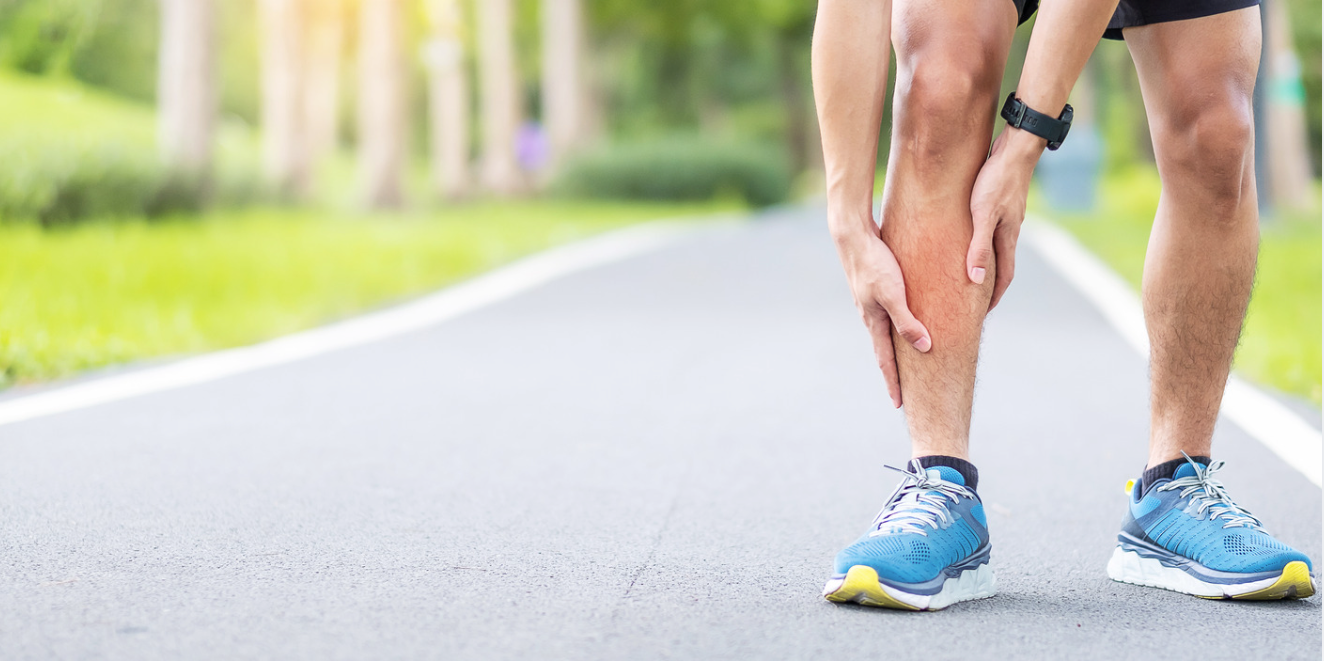
If you're a runner, you know the feeling. That dull, nagging ache along the inside of your shin that starts mild and then, if you push through it, stops being mild very quickly. Shin splints are one of the most common running injuries — and one of the most frustrating, because the answer to getting better is almost always the thing athletes least want to hear: rest.
But how much rest? How long do shin splints actually take to heal? And is there anything you can do to speed things up? This guide gives you clear, honest answers.
What Are Shin Splints — and Why Do They Take Time?
Shin splints — medically known as medial tibial stress syndrome (MTSS) — occur when the muscles, tendons, and bone tissue around your tibia become overloaded. The result is inflammation along the inner edge of the shinbone, and in more serious cases, micro-stress to the bone itself. If you're not sure whether what you're experiencing is shin splints, read our guide to shin splint signs, symptoms and prevention first.
That's the key reason recovery takes time. Unlike a soft tissue sprain that might settle in days, shin splints involve the tibia, and bone tissue heals slowly. Pushing through the pain doesn't speed recovery — it typically extends it, and in the worst cases leads to a stress fracture.
The good news: the vast majority of shin splints resolve completely with the right approach and proper rest.

Shin Splint Recovery Timeline: Mild, Moderate and Severe
Recovery time varies depending on how far the injury has progressed. Here's a realistic guide:
| Severity | Typical symptoms | Recovery time |
|---|---|---|
| Mild | Pain only at the start of a run, eases once warmed up, no pain at rest | 2–4 weeks with rest and management |
| Moderate | Pain during and after running, some tenderness to touch, mild swelling | 4–8 weeks |
| Severe / stress fracture | Pain at rest, significant tenderness, pain with daily walking | 8–16 weeks — see a doctor immediately |
These are general guidelines only. If you have pain at rest, significant point tenderness along the shinbone, or pain that gets worse rather than better with rest, see a sports medicine doctor or physiotherapist. A bone stress injury requires medical diagnosis and management.
The 4 Stages of Shin Splint Recovery — Where Are You?
One of the most useful ways to track your progress is to understand the four stages of shin splint recovery. Use this to self-assess before returning to running:
-
1Pain at restYou're in the acute phase. Running is off the table. Focus entirely on rest, ice therapy, and reducing inflammation. This is where most athletes make the mistake of returning too early.
-
2Pain with activity onlyYou can walk without discomfort, but running brings pain. Continue resting from running, but cross-training (swimming, cycling) may be appropriate. Keep icing.
-
3Pain after activityYou can run, but discomfort arrives within 30–60 minutes of finishing. You're close — but not there yet. Begin a gradual return-to-run protocol.
-
4Pain-freeRunning at normal effort produces no discomfort during or after. You're recovered. Now focus on the changes that prevent recurrence.
How to Speed Up Shin Splint Recovery
There's no shortcut to healing bone tissue — but there's a lot you can do to manage inflammation, stay on track, and avoid the setbacks that extend recovery unnecessarily.
1. Rest — but don't stop moving entirely
Relative rest is the goal. That means reducing or eliminating the activities that caused the injury (typically running on hard surfaces), while maintaining fitness through low-impact alternatives like swimming, cycling, or pool running. Complete inactivity isn't necessary and can cause its own problems.
2. Ice therapy — the most effective tool in your kit
Cold therapy is one of the most well-established ways to manage pain and reduce inflammation in the acute phase of a shin splint injury. Ice constricts blood vessels, reduces swelling, and numbs the area — giving meaningful relief, particularly in the first 48–72 hours and after any activity that aggravates symptoms.
How to ice shin splints correctly:
- Apply ice for 15–20 minutes at a time
- Always use a barrier between the ice and skin — a thin cloth or the neoprene sleeve of an ice pack
- Ice 2–3 times per day in the acute phase, and after any exercise during recovery
- Don't apply ice immediately before exercise — it can mask pain signals you need to feel

The BodyICE Small Universal ice pack is designed for exactly this type of injury — wrapping securely around the lower leg with the neoprene compression sleeve holding the ice bag firmly in place. No slipping, no leaking, no holding it there with your hand. Fill the reusable ice bag, attach it to the sleeve, strap it on, and get on with your recovery. The Small Universal is ideal for shin splints, ankle injuries, and smaller joint areas. The Medium Universal also works well for runners who want coverage across the calf and lower tibia.
Shop BodyICE Recovery →3. Compression and elevation
Compression helps manage swelling and provides support to the area. Elevating your leg above heart level when resting — particularly in the first few days — also helps reduce fluid build-up and speeds the reduction of inflammation.
4. Address the cause, not just the symptoms
Shin splints are almost always an overuse injury with identifiable causes. While you're recovering, it's worth reviewing what led to the injury in the first place. Common culprits include a sudden spike in training volume or intensity, running on hard surfaces (concrete vs trail), inadequate footwear or footwear that's past its lifespan, poor running mechanics (overstriding, excessive heel striking), and weak hip and glute muscles that create excess load on the lower leg.
A sports physiotherapist can assess your specific situation and give targeted advice on all of the above.
Ice or Heat for Shin Splints — Which Should You Use?
This is one of the most common questions we get, and the answer depends on the phase of your injury.
| Phase | Use | Why |
|---|---|---|
| Acute (0–72 hours, or after aggravation) | Ice | Reduces inflammation, numbs pain, decreases swelling |
| Subacute / chronic tightness | Heat | Relaxes tight muscles, improves blood flow to promote healing |
| Pre-exercise warm-up (later recovery stages) | Heat | Loosens the calf and tibial muscles before activity |
| Post-exercise in recovery | Ice | Manages any post-run inflammation and soreness |
The BodyICE Universal packs work for both hot and cold therapy — the same neoprene sleeve holds either an ice filled or hot water filled ice bag. You can also use our Hydrogel Sleeves which can be frozen or heated. During later stages of shin splint recovery, this means you can use heat before a run and ice after, all with the same piece of equipment.
 When to See a Doctor: Stress Fracture Warning Signs
Most shin splints resolve with conservative management. But if any of the following apply, see a sports medicine doctor or physiotherapist rather than continuing to self-manage:
- Pain that is sharp, localised to a single point on the bone (rather than a broader area)
- Pain that is present at rest and not just with activity
- Swelling that doesn't reduce with rest and ice
- Pain that gets significantly worse, not better, over 2–3 weeks of rest
- Pain when hopping on one leg
These may indicate a bone stress injury or stress fracture, which requires imaging and medical management. Running through a stress fracture risks a complete fracture — a far longer and more serious injury.

Return to Running: A Week-by-Week Plan
Once you've been pain-free at rest for at least 7–10 days, you can begin a graduated return to running. The golden rule: increase total weekly volume by no more than 10% per week, and never progress if you experience pain.
| Week | Activity | Notes |
|---|---|---|
| Week 1 | Walk 30 min, 3–4x per week | Pain-free walking is the baseline. Don't progress until this is comfortable. |
| Week 2 | Walk/jog intervals — 1 min jog, 4 min walk × 5 | If no pain during or after, progress the following week. |
| Week 3 | Walk/jog intervals — 2 min jog, 3 min walk × 5 | Ice after every session. Rest days between runs. |
| Week 4 | 3 min jog, 2 min walk × 5, or easy 20 min continuous | Continue icing post-run. Monitor for any returning pain. |
| Week 5–6 | Gradual build to 30–40 min easy running | Stay on soft surfaces (grass, trail) before returning to road running. |
Do your return-to-run sessions on grass or a treadmill first. Hard surfaces generate significantly more impact force and are typically what caused the injury in the first place. Build your bone's tolerance gradually before returning to road running.
Frequently Asked Questions
How long does it take for posterior shin splints to heal?
Posterior shin splints (affecting the back of the lower leg) follow a similar timeline to anterior shin splints — typically 4–8 weeks for moderate cases. Because posterior shin splints involve the tibialis posterior muscle and its attachment to the bone, they can be slightly more stubborn. Consistent ice therapy, rest from running, and physiotherapy assessment tend to produce the best outcomes.
Can I still exercise with shin splints?
Yes — but not by running. Low-impact cross-training like swimming, cycling, and pool running keeps fitness levels up without loading the tibia. Strength training for the hips and glutes is also highly beneficial during this period and can directly reduce the likelihood of shin splints returning.
How do I know if my shin splints are getting better?
The clearest signs are a reduction in resting pain, decreased tenderness to touch along the shin, and the ability to walk and do daily activities without discomfort. Progress through the four recovery stages described above and only begin returning to running once you've reached Stage 4 — completely pain-free at rest and during daily movement.
Do shin splints go away on their own?
With sufficient rest, most mild to moderate shin splints will resolve on their own. However, "resting" and continuing to run are not the same thing. Active management — including ice therapy, load reduction, and addressing underlying causes — will speed recovery and reduce the risk of recurrence significantly compared to simply hoping for the best.
How often should I ice my shin splints?
In the acute phase, aim for 2–3 times per day, 15–20 minutes per session, with at least 45–60 minutes between applications. As symptoms settle, ice after any exercise session that causes discomfort. Always use a barrier between the ice and skin to prevent ice burns.



Leave a comment
All comments are moderated before being published.
This site is protected by hCaptcha and the hCaptcha Privacy Policy and Terms of Service apply.